

Purpose-Built Memory Care: A Family Guide
Choosing Memory Care is one of the most personal decisions a family can make. Families want more than a safe place for someone they love. They want a Memory Care community where their loved one is respected, supported, engaged, and able to experience meaningful moments each day.
Purpose-built Memory Care is designed with those needs in mind.
What Is Purpose-Built Memory Care?
Purpose-built Memory Care is a specialized residential setting intentionally designed for people living with memory loss, Alzheimer’s disease, or related forms of dementia. Instead of adapting a general assisted living environment, purpose-built dementia care communities are designed from the beginning around how residents move, recognize spaces, participate in routines, spend time outdoors, dine, rest, socialize, and experience daily life.
For families, this means the environment itself becomes part of the support system. Familiar layouts, visual cues, secure walking paths, calming common areas, and structured routines help reduce confusion while supporting comfort and independence throughout the day. Every detail is considered through the lens of the dementia experience.


Purpose-built Memory Care communities also provide specialized support beyond the physical environment. Dementia-trained caregivers understand how memory loss affects communication, behavior, daily routines, and emotional well-being. Residents benefit from personalized engagement, sensory activities, dining support, and caregivers who take time to learn their preferences, routines, and life stories.
Safe indoor and outdoor movement is another important part of purpose-built Memory Care. Rather than limiting movement, the design of these communities encourages residents to safely enjoy fresh air, walking, social interaction, and familiar daily experiences in secure settings.
The goal is not simply supervision. Purpose-built Memory Care focuses on helping residents continue experiencing familiarity, connection, and meaningful moments throughout the dementia journey while giving families greater confidence and support along the way.
Who Is Purpose-Built Memory Care For?
Purpose-built Memory Care is for individuals living with Alzheimer’s disease or related forms of dementia who benefit from a secure, structured, supportive environment designed specifically around memory loss.
Why the Environment Matters in Dementia Care
The environment can play a key role in daily life for someone living with memory loss. A thoughtfully designed dementia care community may help reduce confusion, support independence, encourage movement, and create greater comfort throughout the day.
Purpose-built Memory Care communities consider how people living with dementia experience their surroundings, including navigation, lighting, noise, social interactions, and daily activities.
Familiar Layouts Support Confidence
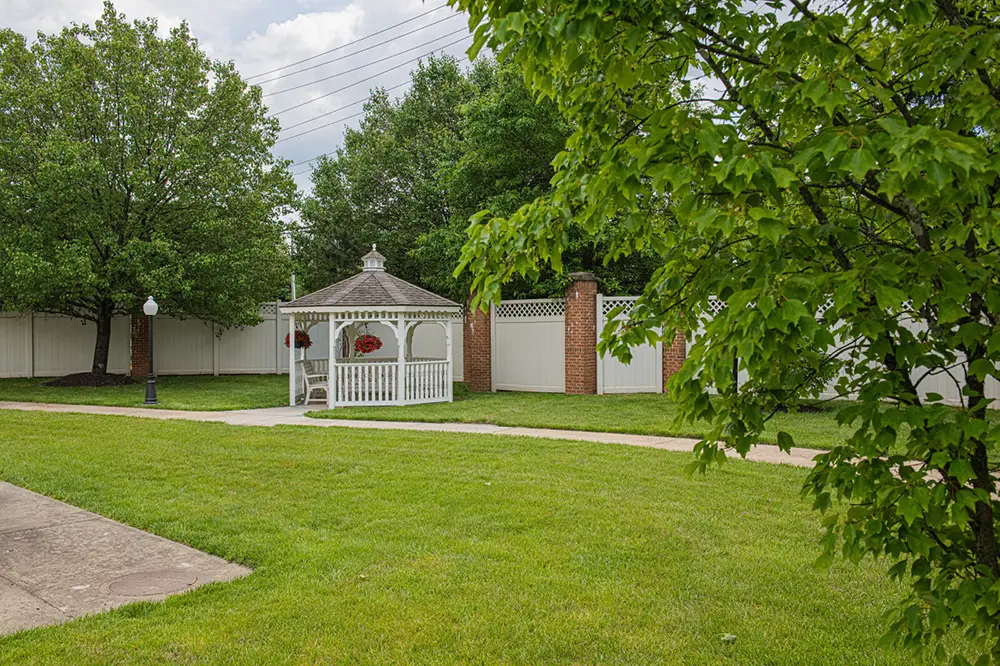
Simple, consistent layouts can help residents move throughout the community more comfortably. Recognizable spaces and predictable routines may reduce frustration while supporting independence during everyday activities.
At Arden Courts, our communities feature consistent layouts specifically designed for memory care for Alzheimer’s disease and related dementias.
Memory Care With Visual Cues and Routines
Visual cues and wayfinding elements can help residents recognize important areas throughout the day.
Community design may include:
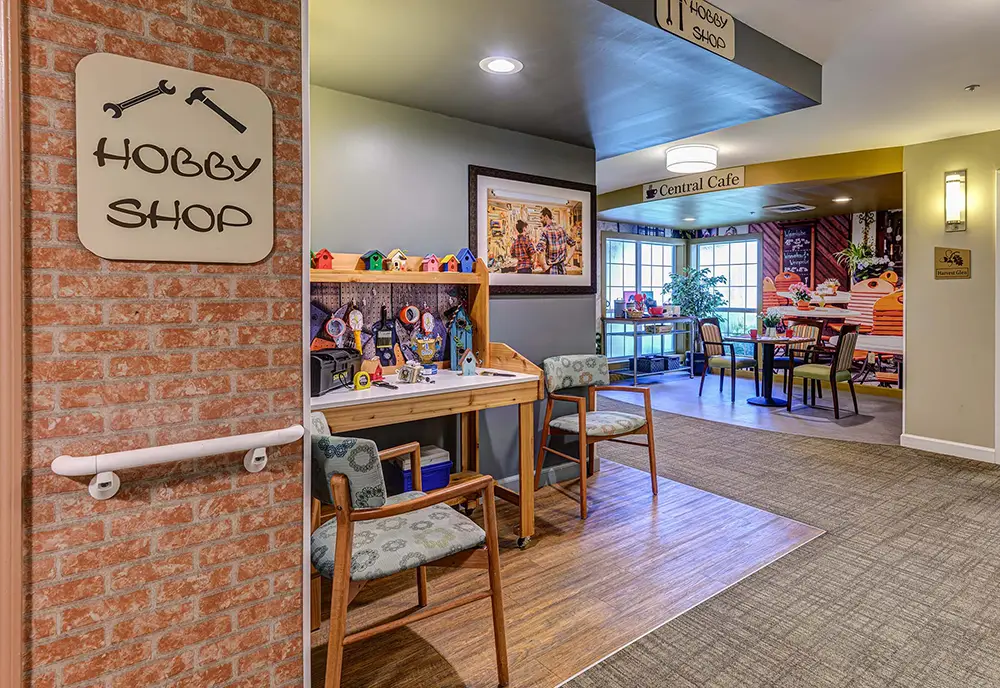
At Arden Courts, residents may recognize spaces like The Café, The Train Station, The Beach, or The Library. These familiar destination areas help encourage movement, orientation, engagement, and social connection.
Dementia Care with Secure Outdoor Spaces
Outdoor access remains important throughout the dementia journey. Fresh air, movement, and connection to nature can support comfort and daily rhythm.
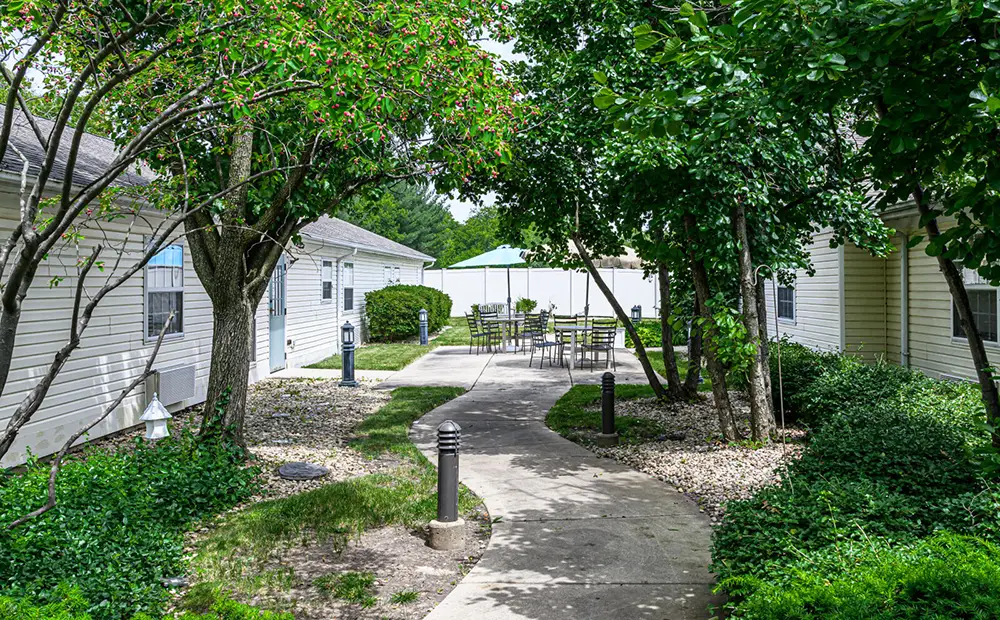
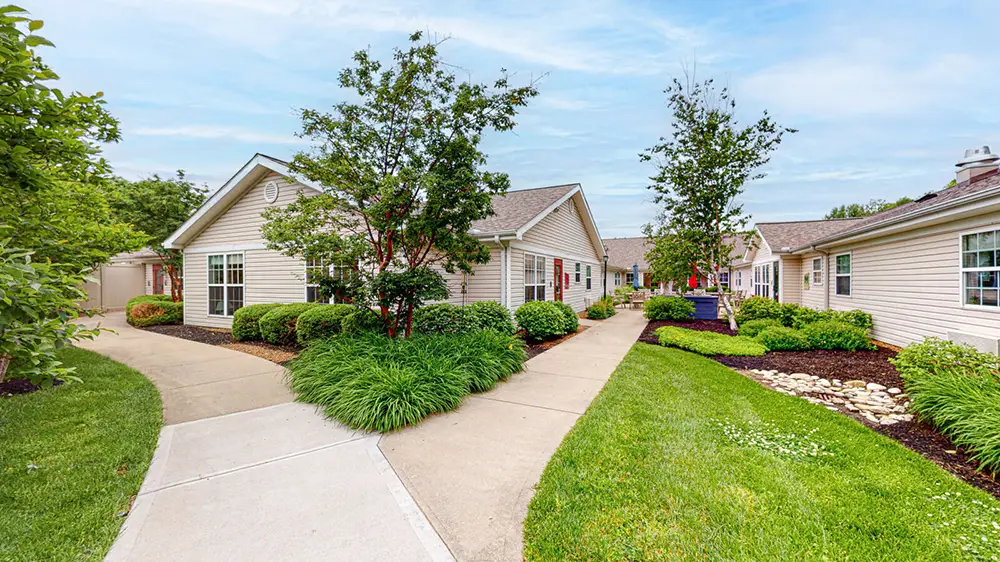
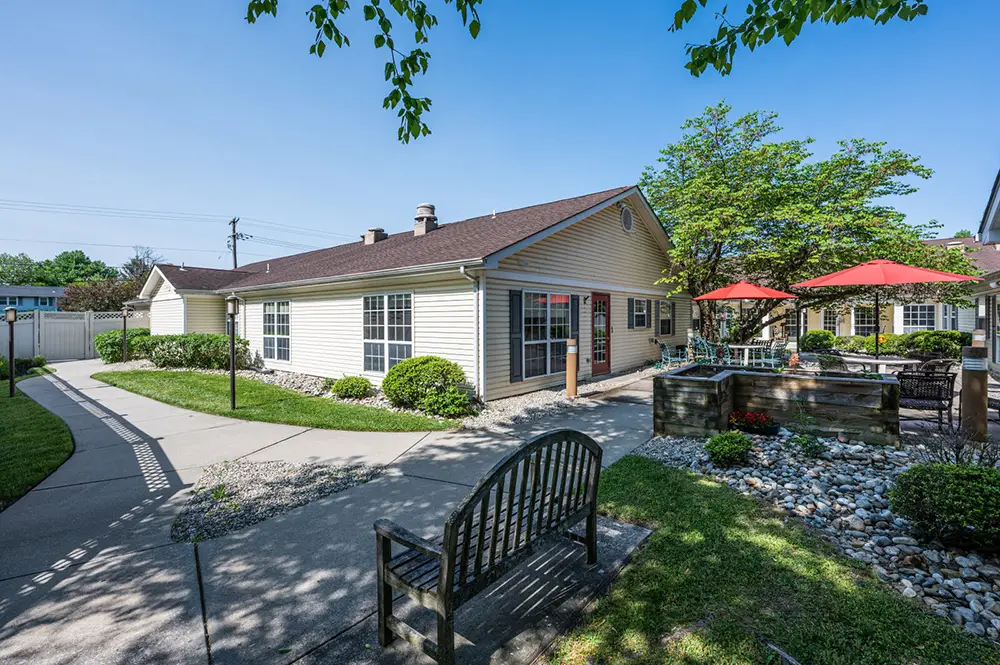
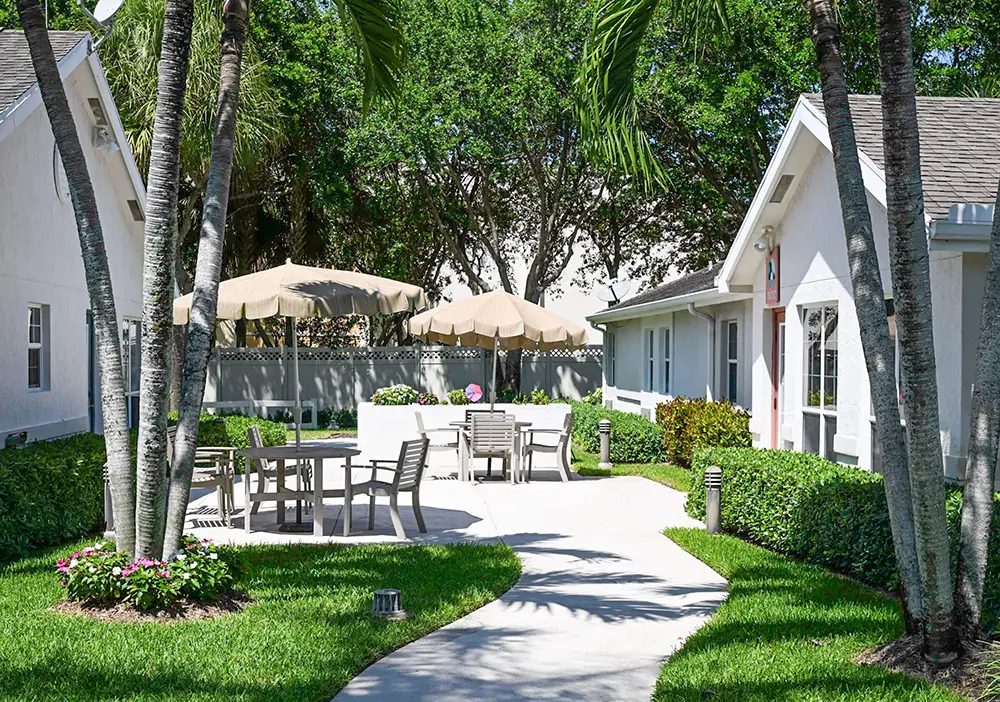
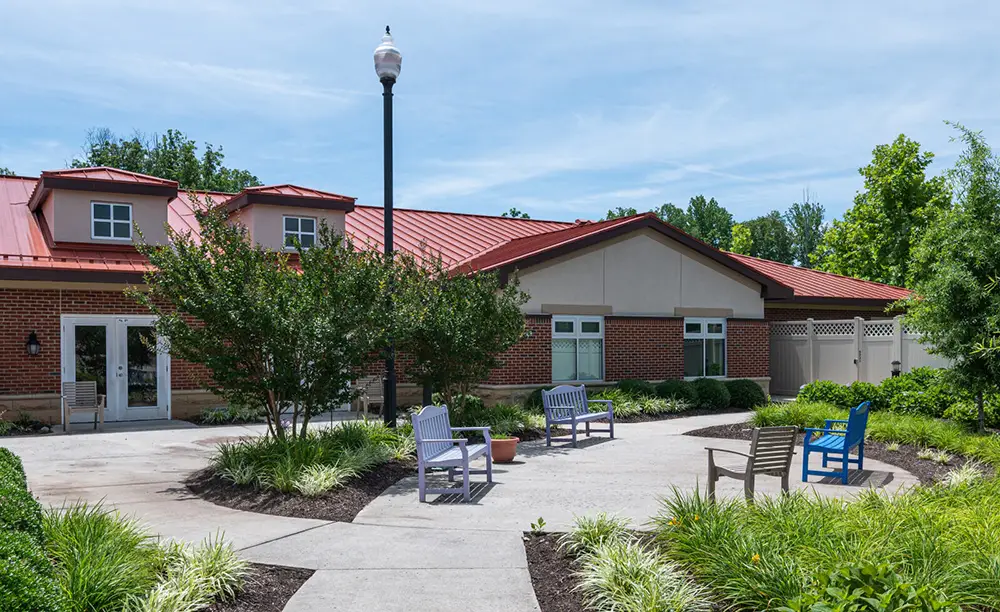
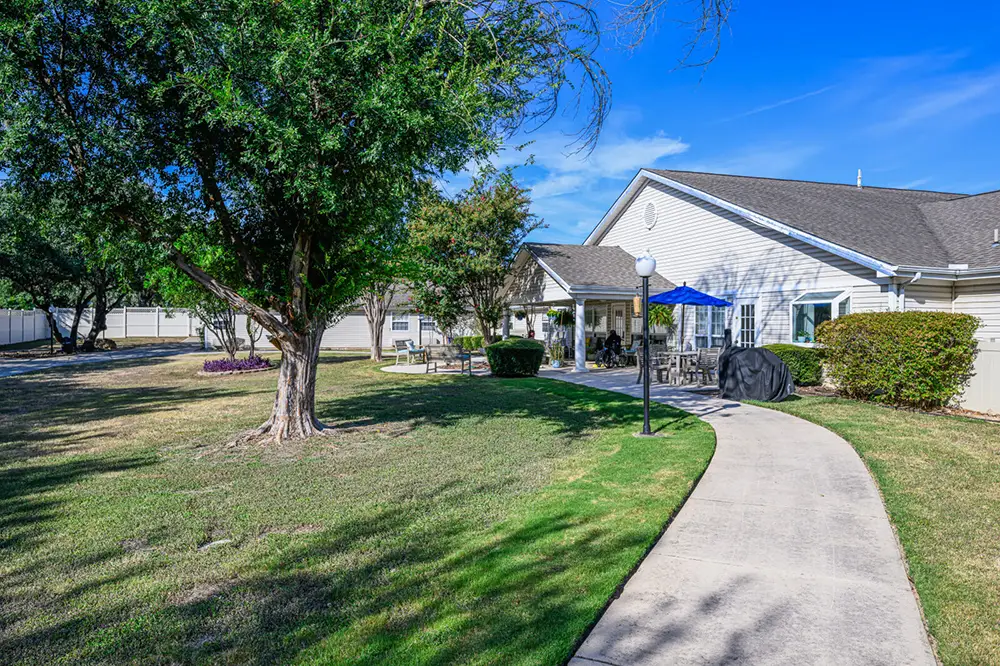
Many traditional settings limit outdoor access. Purpose-built Memory Care communities often include enclosed courtyards and looped walking paths that encourage safe movement without restriction.
At Arden Courts, residents can enjoy fresh air and movement throughout the day. They can participate in gardening, sit outdoors, or walk through secure courtyards with caregivers or neighbors.
Calm Spaces Reduce Overstimulation
A supportive dementia care environment should feel welcoming and familiar rather than overwhelming. Purpose-built Memory Care communities often include reduced distraction, comfortable lighting, calm common areas, and structured dining settings.
These intentional design choices help create a more comfortable experience for residents living with cognitive decline and memory loss.
Purpose-Built Memory Care vs. Traditional Assisted Living
Families researching Assisted Living vs Memory Care often discover that the environment, caregiver training, and daily structure can look very different.
| Feature | Purpose-Built Memory Care | Traditional Assisted Living |
|---|---|---|
| Primary focus | Alzheimer’s and dementia care | General support with daily living |
| Environment | Designed around memory loss | May be adapted for Memory Care |
| Navigation | Familiar layouts, visual cues, secure, looped paths | Standard residential layout |
| Team training | Dementia-focused care approach | Broader senior care support |
| Daily rhythm | Predictable routines and meaningful engagement | General activity calendar |
| Safety | Secure, supportive freedom of movement | Varies by community |
| Family support | Ongoing dementia-specific guidance | Varies by provider |
At Arden Courts, residents can continue living in a familiar environment as needs evolve over time. This continuity can help reduce the stress that sometimes comes with multiple moves between care settings.
Key Features to Look for in a Purpose-Built Memory Care Community
Below is a checklist for families researching purpose-built Memory Care.
A Thoughtful, Secure Layout
One of the benefits of this environment is that it’s intentionally designed around safety while maintaining autonomy when possible.
Look for:
Dementia-Trained Caregivers
Dementia-trained caregivers understand that communication, patience, and consistency matter deeply.
Families should look for caregivers who:
At Arden Courts, specialized dementia training supports our residents across the dementia spectrum while honoring dignity and personhood. Our Circle of Care philosophy brings our culture to life through three simple commitments: our caregivers are helpful, caring, and responsive.
Personalized Routines
Structured routines can help support comfort and predictability.
Meaningful Engagement
Meaningful engagement should reflect each resident’s abilities, interests, and comfort levels.

This may include activities such as:
At Arden Courts, engagement stations and destination spaces like The Beach or The Train Station encourage purposeful activity throughout the day.
Dining Support
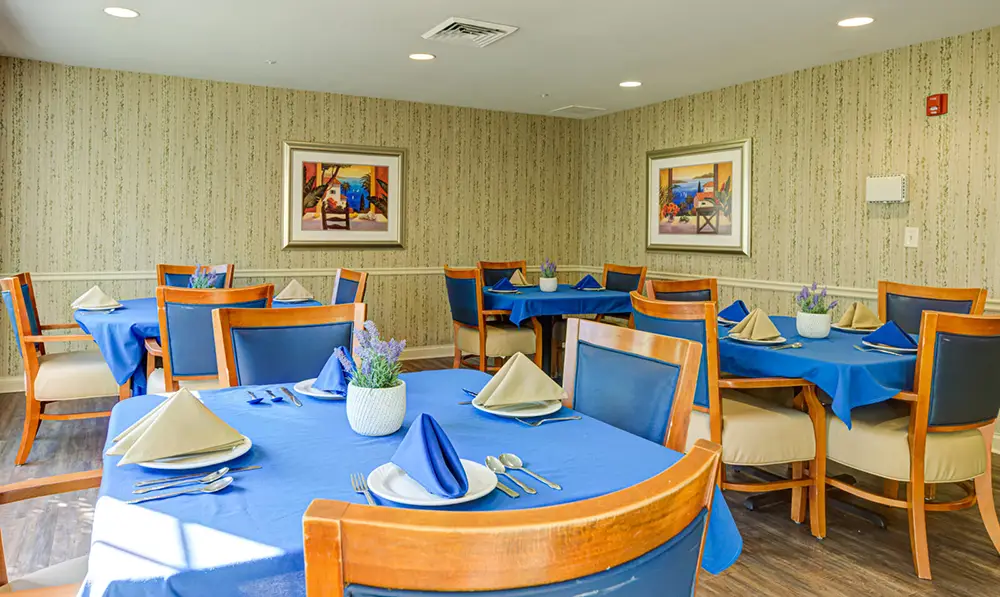
Dining should feel calm, familiar, and respectful.
Purpose-built Memory Care dining environments often support:
Family Communication
Families deserve responsive communication and ongoing guidance throughout the dementia journey.
Look for communities that:
How Purpose-Built Design Supports Daily Life
In Memory Care, small moments matter.
A caregiver knocks before entering a resident’s room and introduces themselves calmly. They use the resident’s preferred name instead of a generic greeting. A familiar visual cue outside the room helps the resident recognize their space.
After breakfast in a calm dining setting, the resident may take a gentle walk through a secure courtyard, spend time at The Café, listen to their favorite music, help fold towels with a caregiver, or join a small group activity tailored to their interests.
These moments may seem simple, but thoughtful Memory Care community design for dementia helps create familiarity, engagement, and belonging throughout the day.
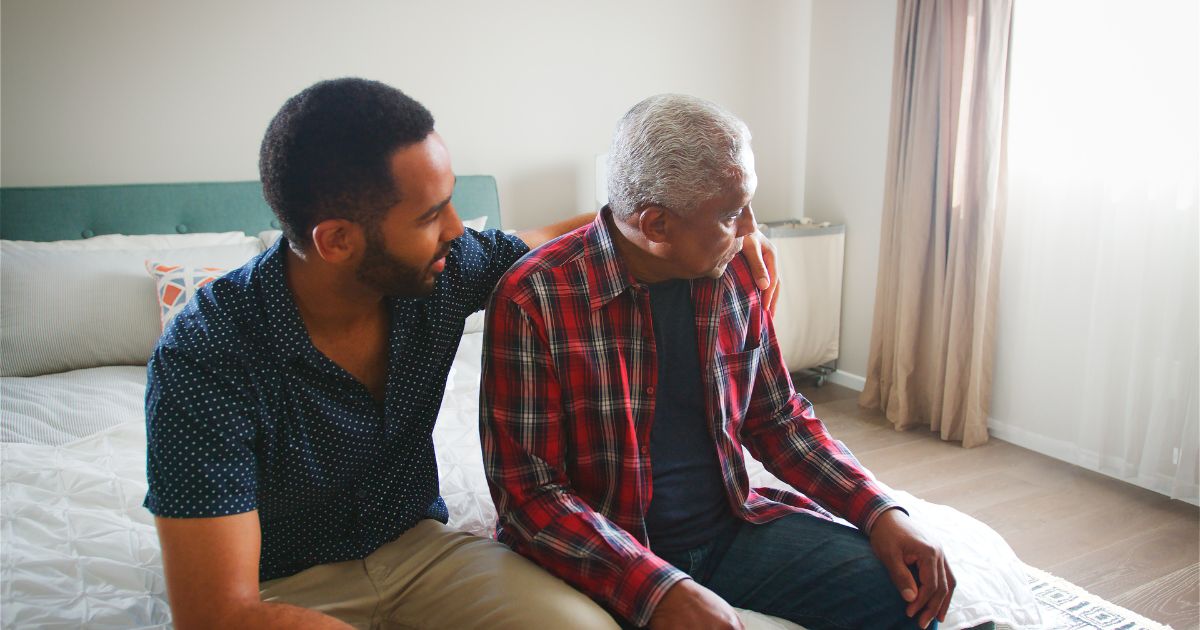

At Arden Courts, our Circle of Care program helps guide these interactions with caregivers that are:
Helpful
Team members work together to support residents and families with consistency, patience, and teamwork.
Caring
Residents are approached with dignity and respect. Caregivers use preferred names, explain what they are doing, and honor personal routines.
Responsive
Families receive thoughtful communication, timely updates, and clear answers as needs evolve.
Purpose-built Memory Care is not only about the physical environment. It is about creating routines, relationships, and experiences that help residents continue feeling known and supported.
When Is It Time for Memory Care?
Families often wonder when it is time for Memory Care. The answer depends on your senior loved one’s needs, safety concerns, and daily experiences.
Signs it may be time to explore Memory Care for a loved one include:
Exploring Memory Care earlier can help families make thoughtful decisions before a crisis occurs.
A physician or qualified healthcare provider can help families better understand changes in memory, safety, and daily support needs.
Questions to Ask Memory Care Facilities During a Tour
Questions to Ask:
- 1Was the community purpose-built for Memory Care or adapted later?
- 2How does the layout help residents move throughout the day?
- 3Are outdoor spaces secure and easy to access?
- 4How are caregivers trained in dementia care?
- 5How do team members learn residents’ routines and preferences?
- 6What does a typical day look like?
- 7How are activities adapted for different stages of dementia?
- 8How do you communicate with families?
- 9How do you support dining and hydration?
- 10How do you respond when someone feels anxious or unsettled?
Families should also pay attention to how the community feels. Calm interactions, respectful communication, and welcoming spaces often reveal a great deal about the care philosophy.
What Makes Arden Courts Purpose-Built for Memory Care?
Our purpose-built Memory Care communities are designed exclusively for people living with Alzheimer’s disease and related dementias.
Arden Courts communities feature:
- 1Purpose-built dementia care design
- 2Secure indoor and outdoor movement
- 3Visual cues and familiar layouts
- 4Dementia-trained caregivers
- 5Meaningful engagement programming
- 6Personalized routines
- 7Specialized dining support
- 8Secure courtyards and walking paths
- 9Family communication and support
- 10Nursing support where applicable by community
Residents are encouraged to remain engaged in daily life through destination spaces, household-style tasks, movement, music, social interaction, and familiar routines.
Many residents continue living at Arden Courts long term as needs evolve, helping reduce disruption while maintaining relationships with caregivers who know them personally.
Purpose-built Memory Care is about more than safety alone. It is about creating a supportive environment where people living with dementia can continue experiencing comfort, connection, dignity, and meaningful moments each day.
Find a Purpose-Built Memory Care Community Near You
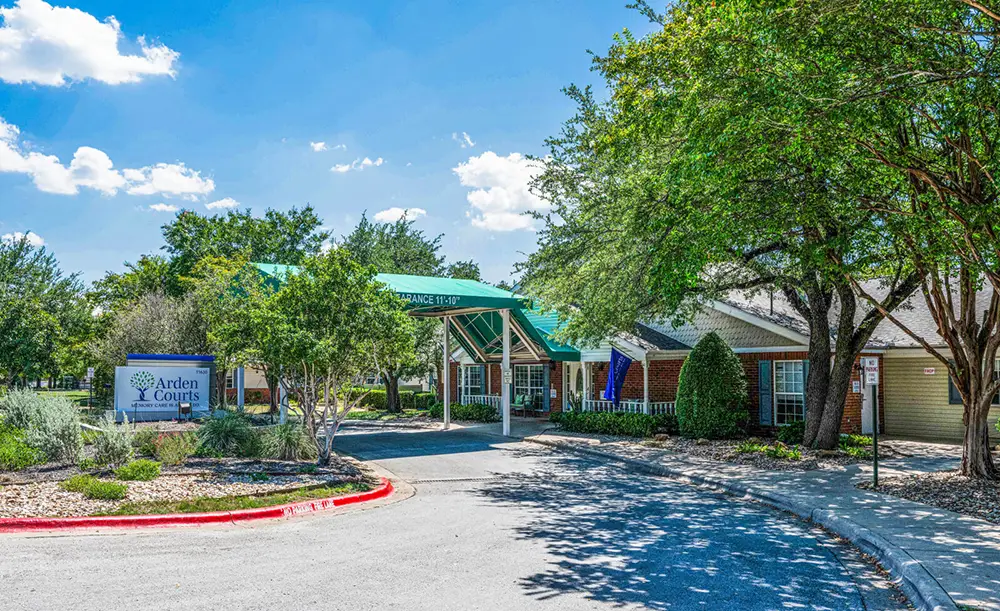
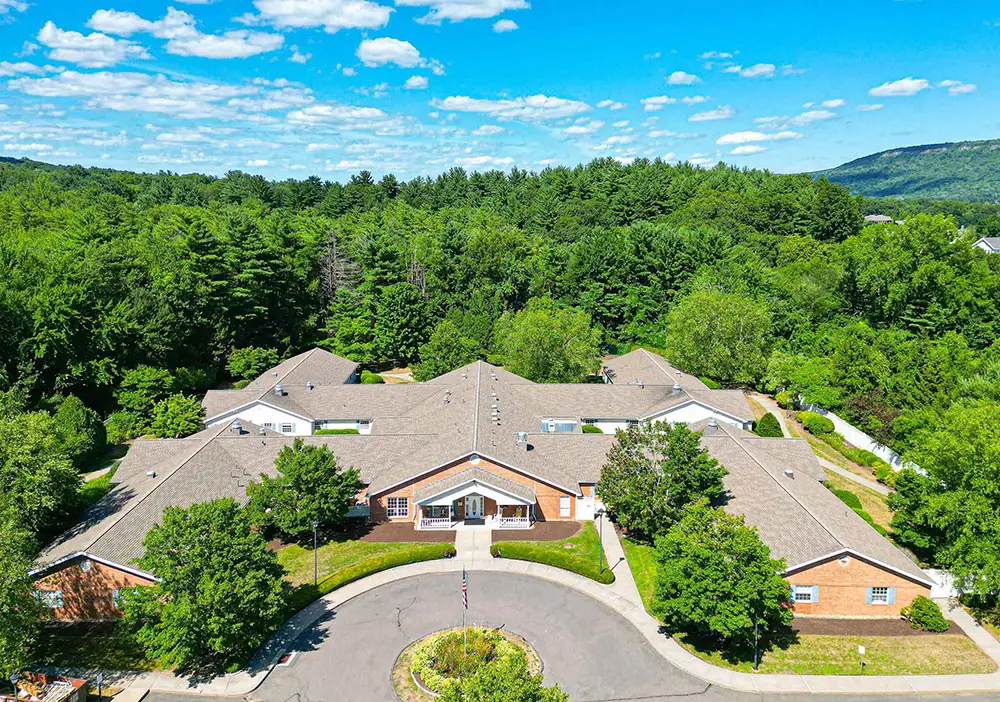
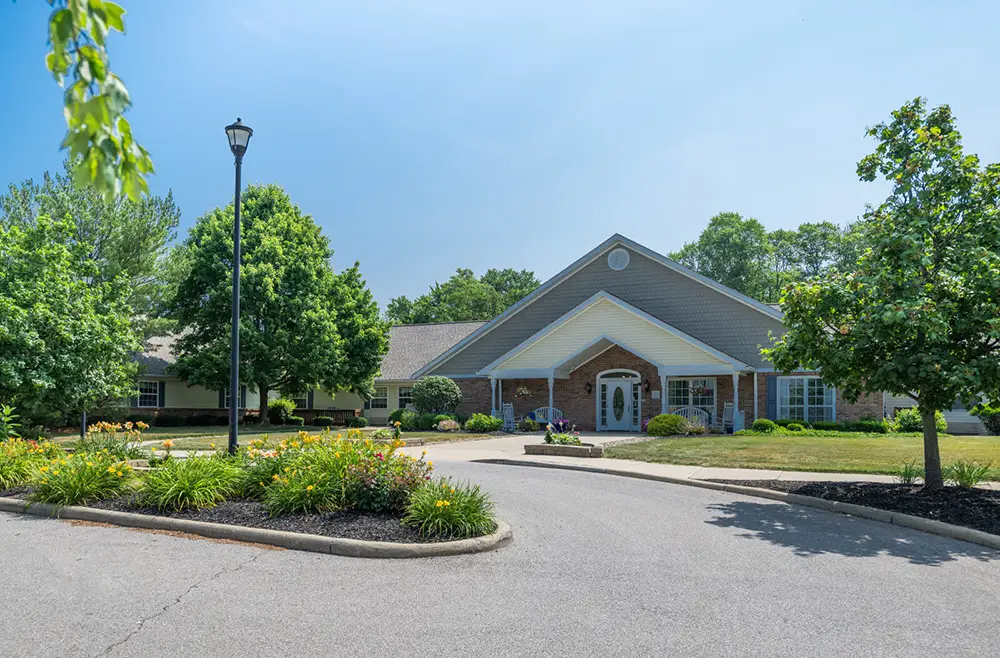
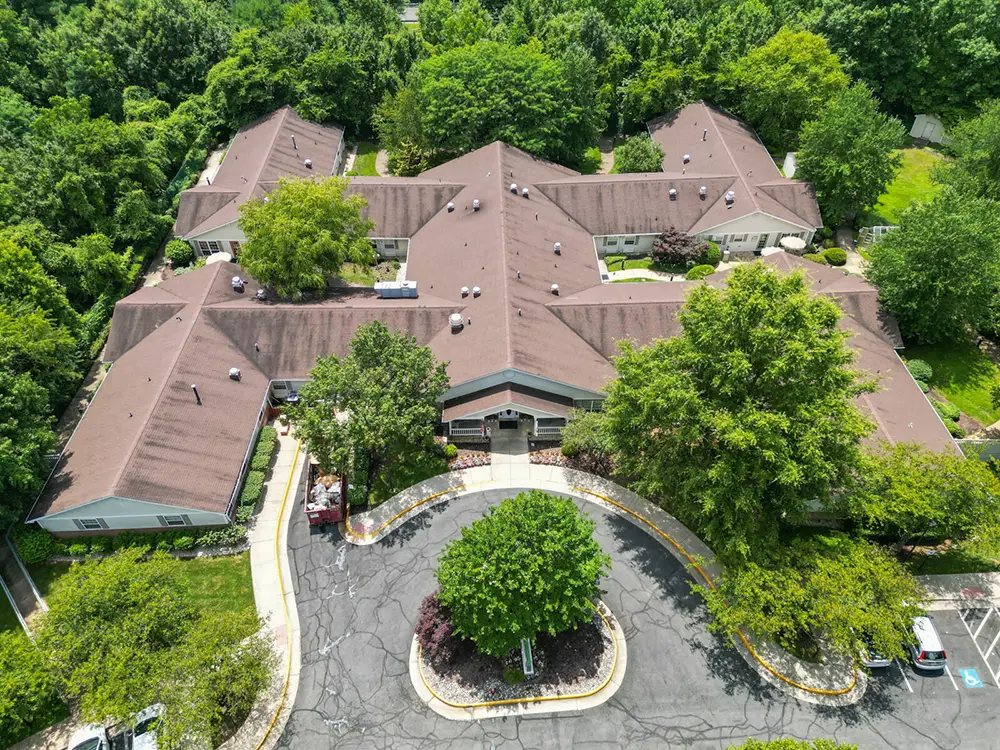
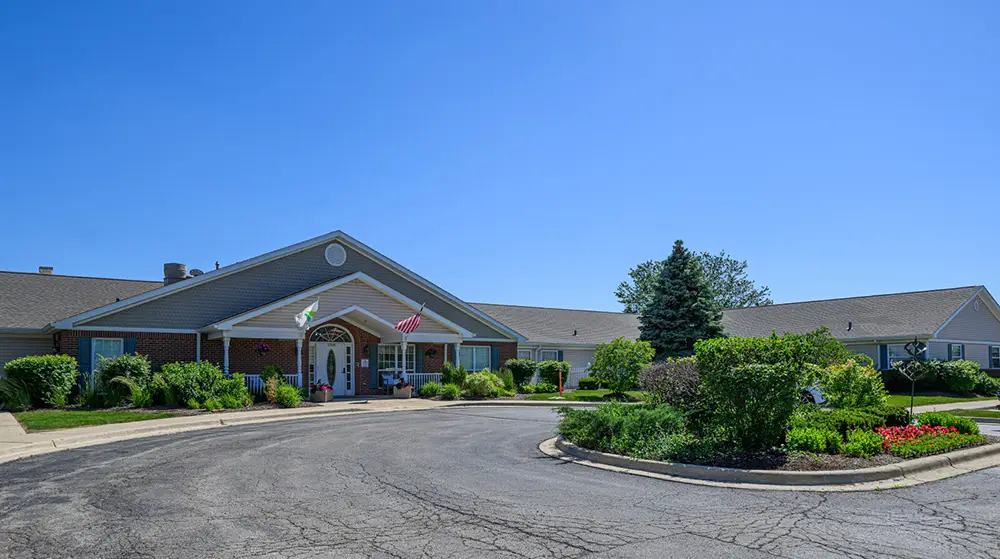
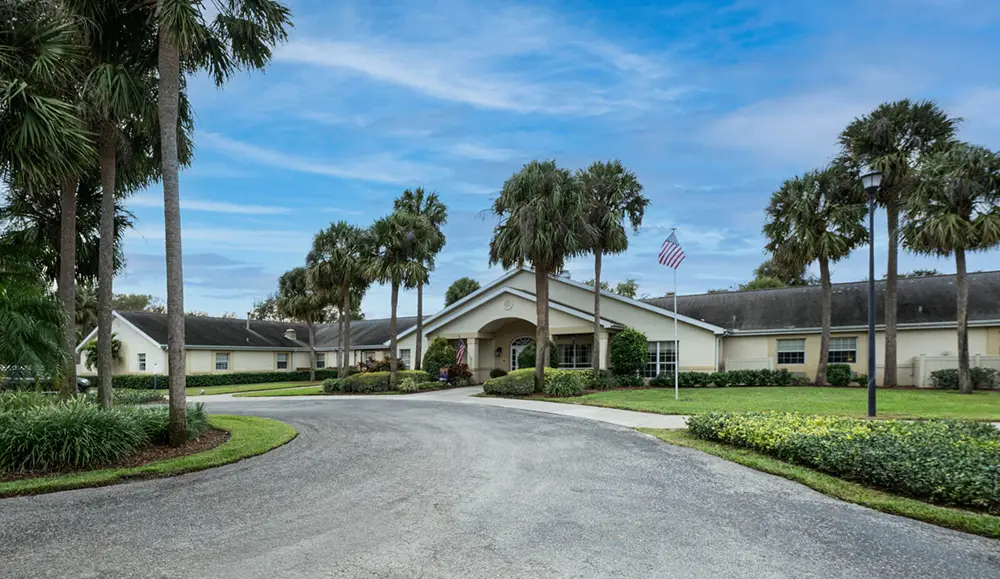
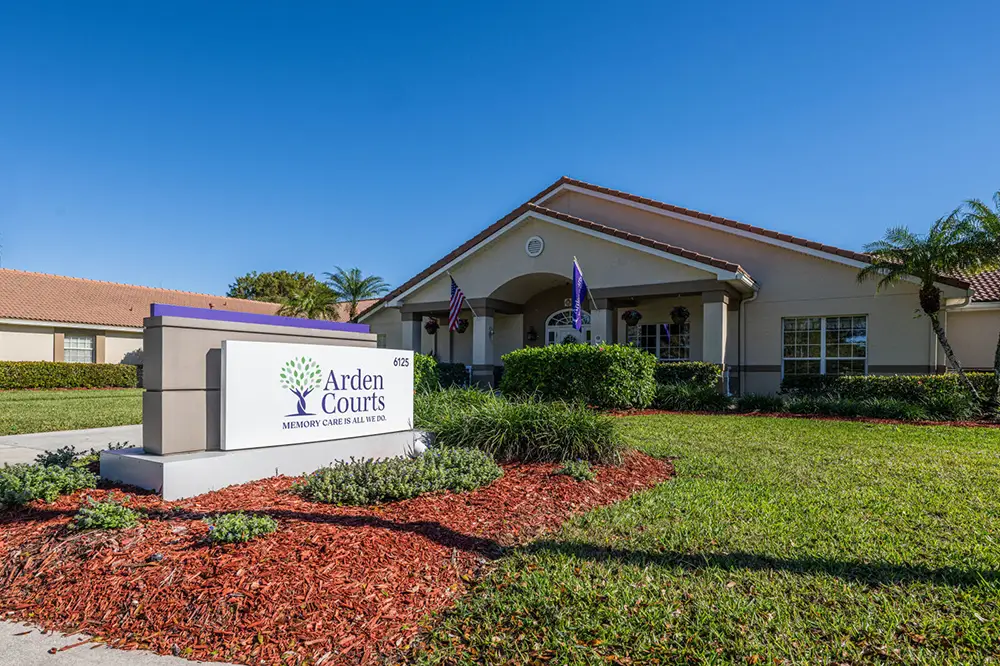
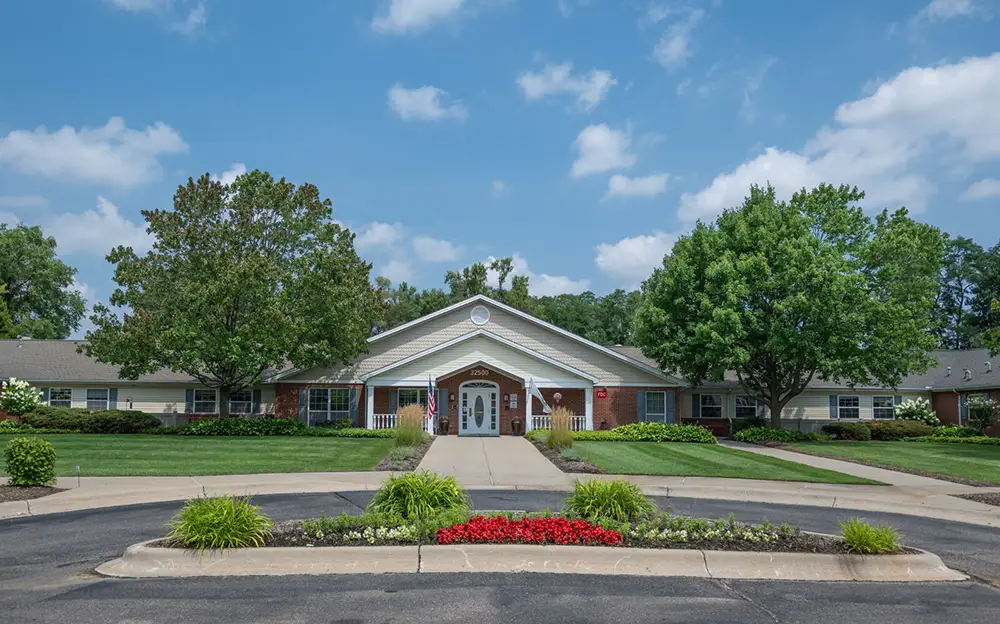
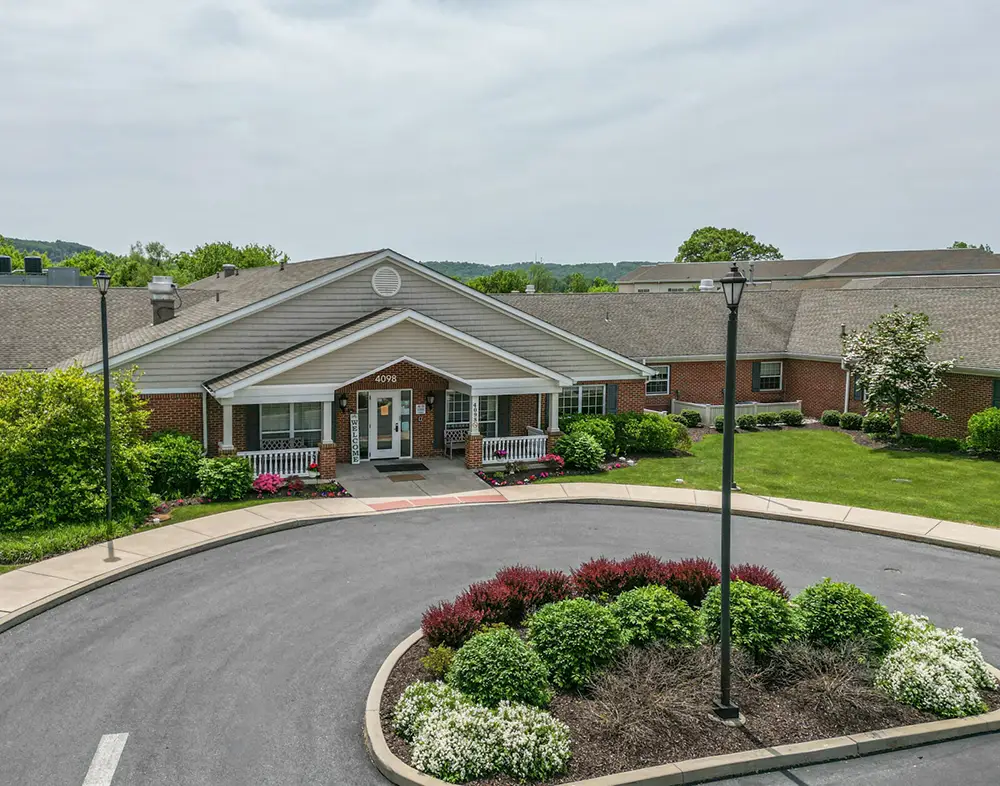
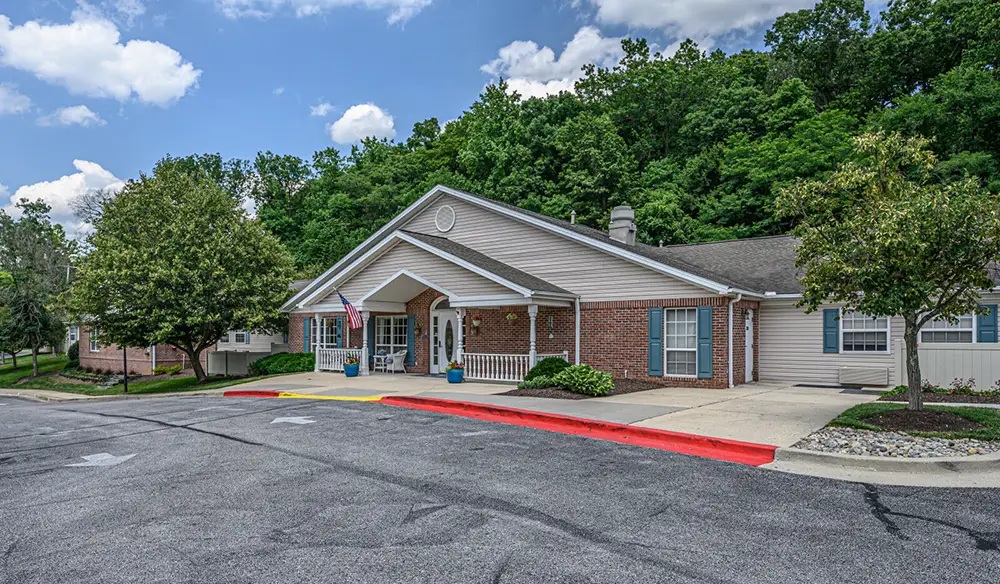
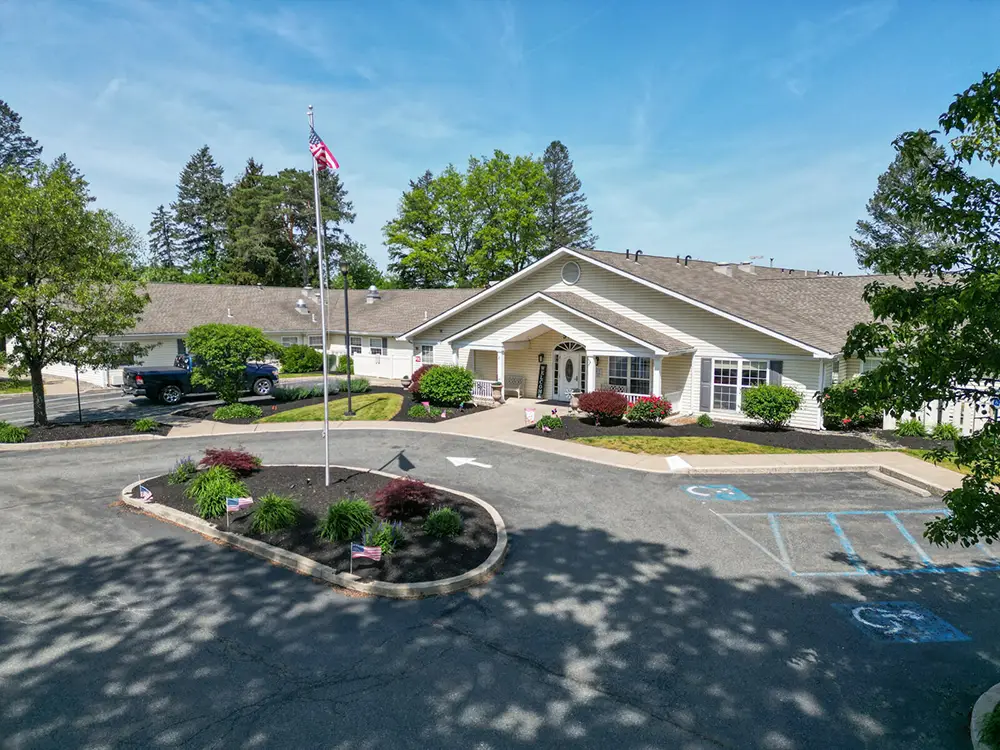
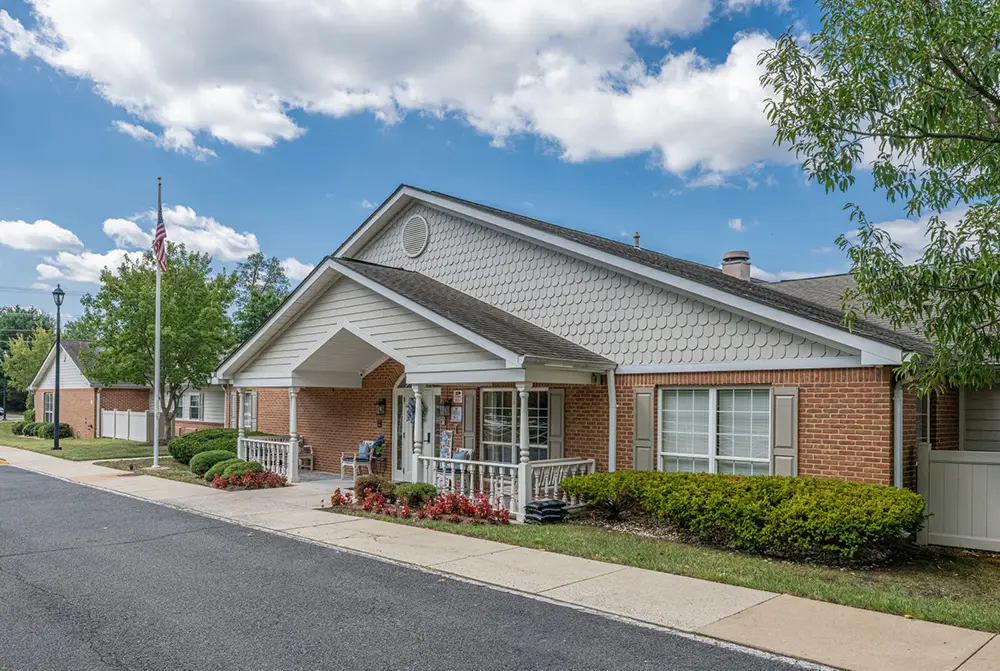
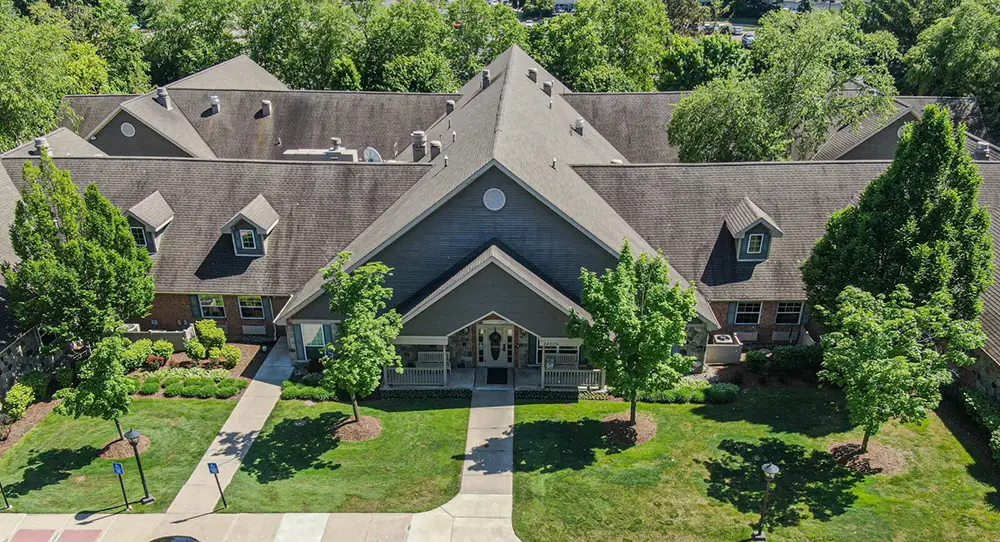
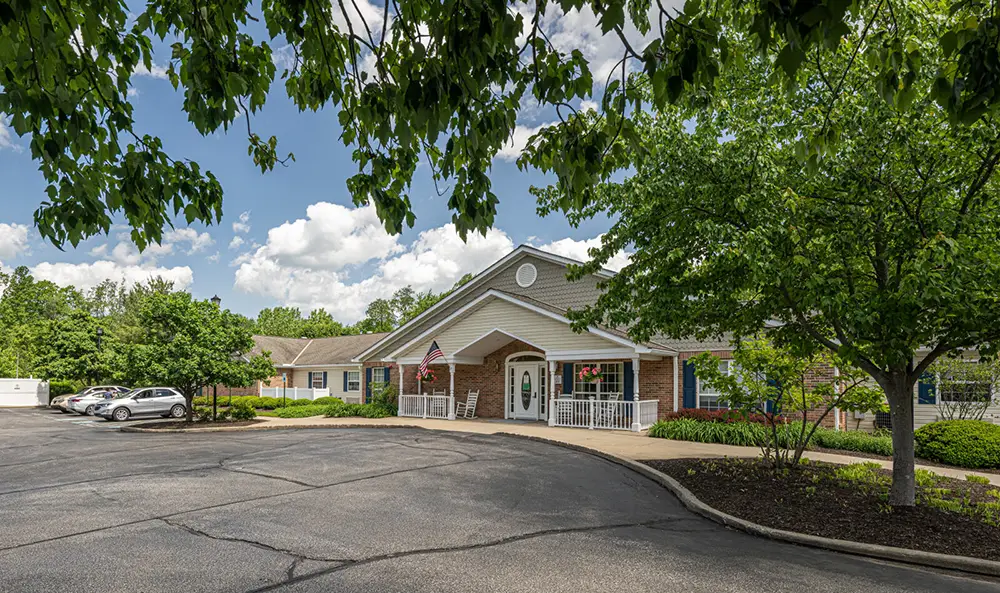
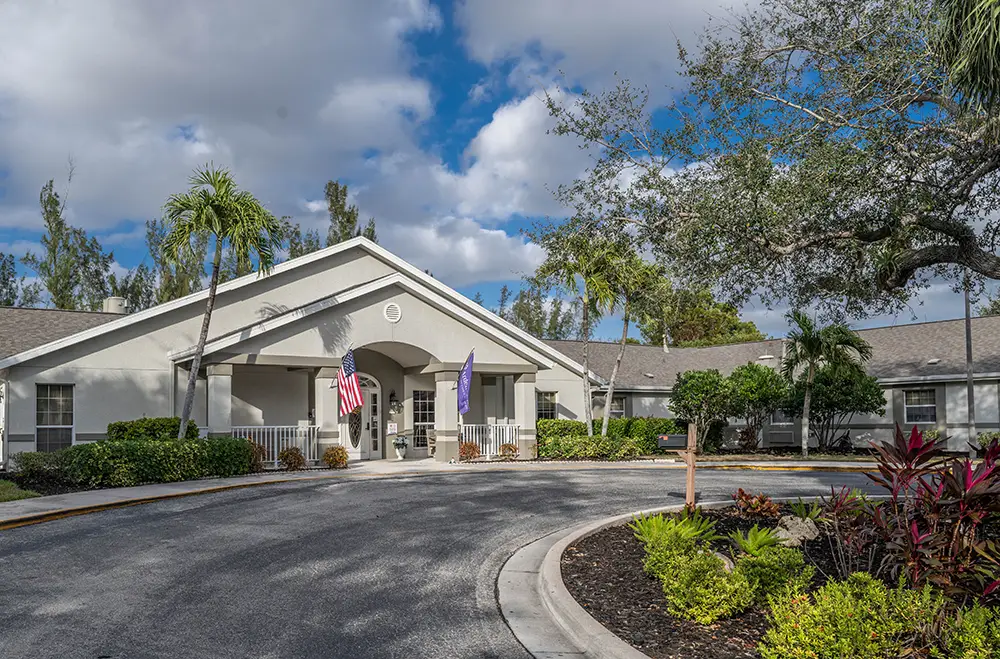
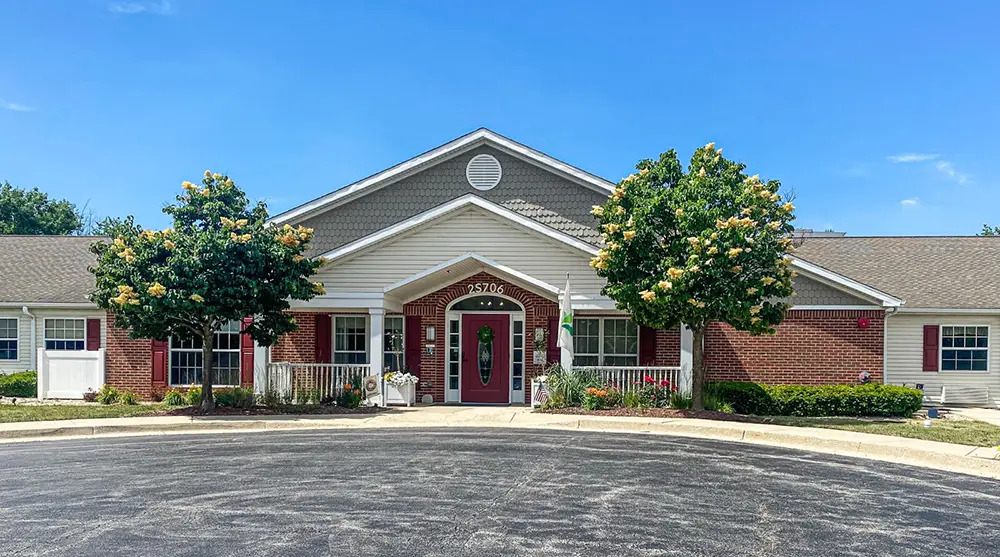
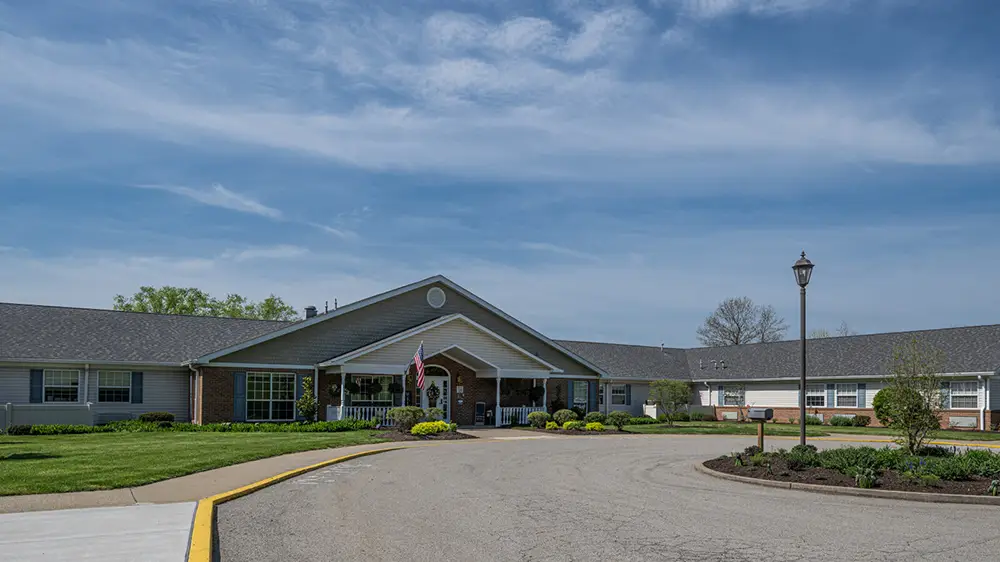
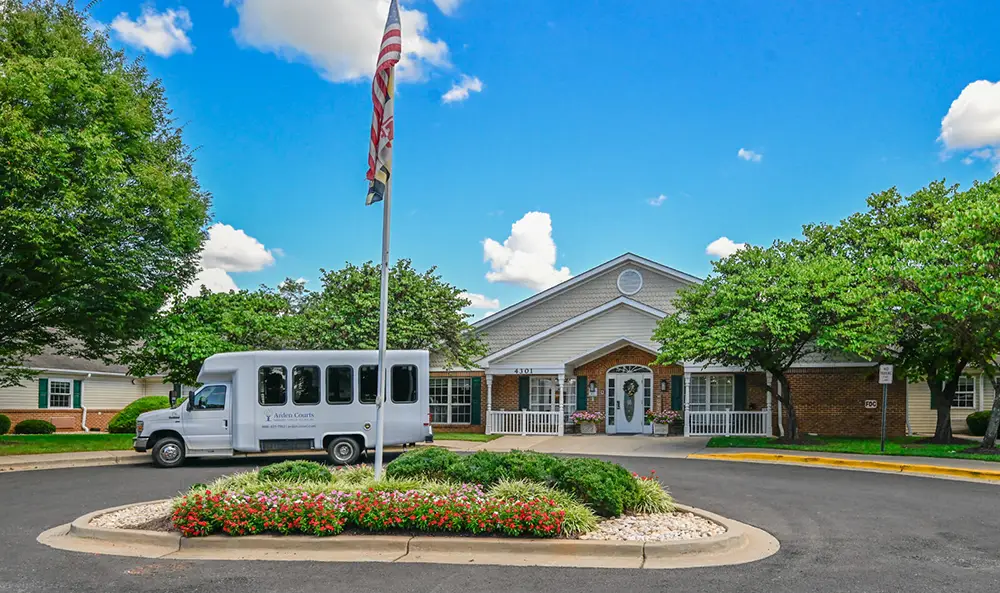
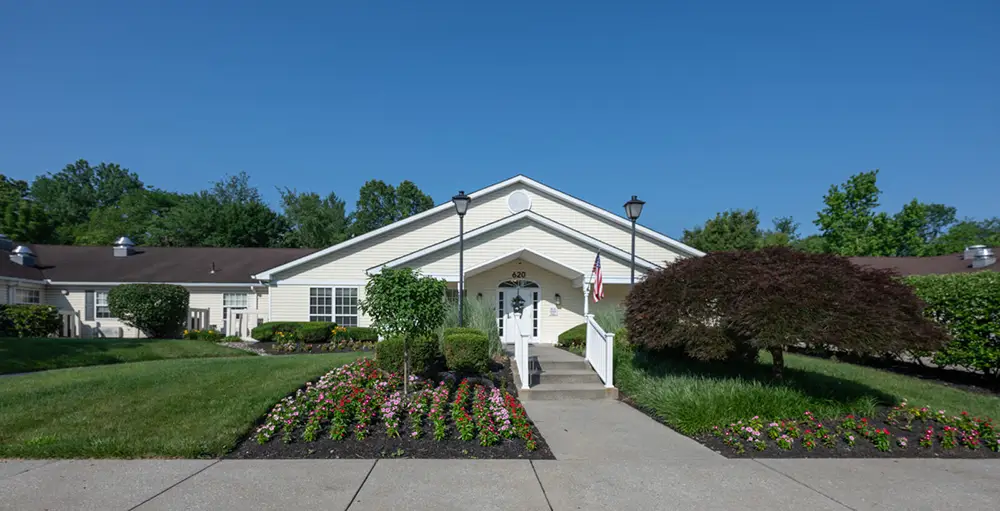
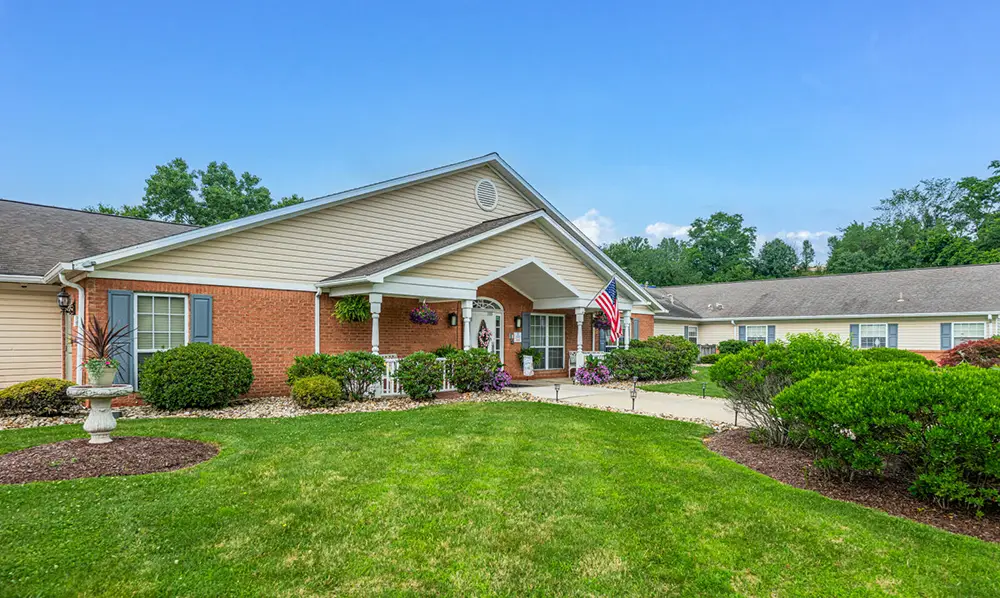
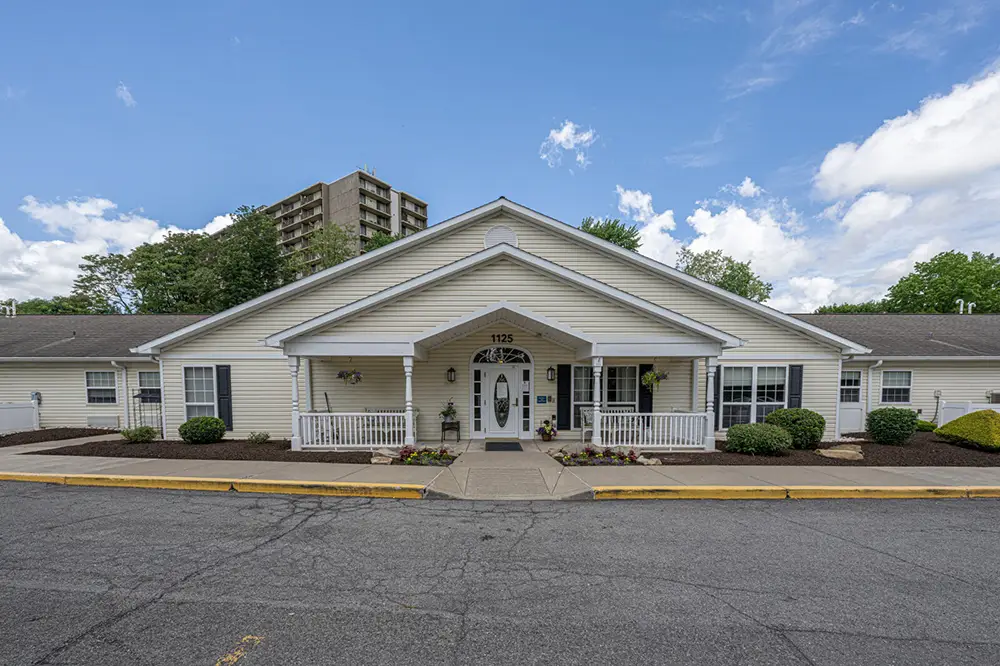
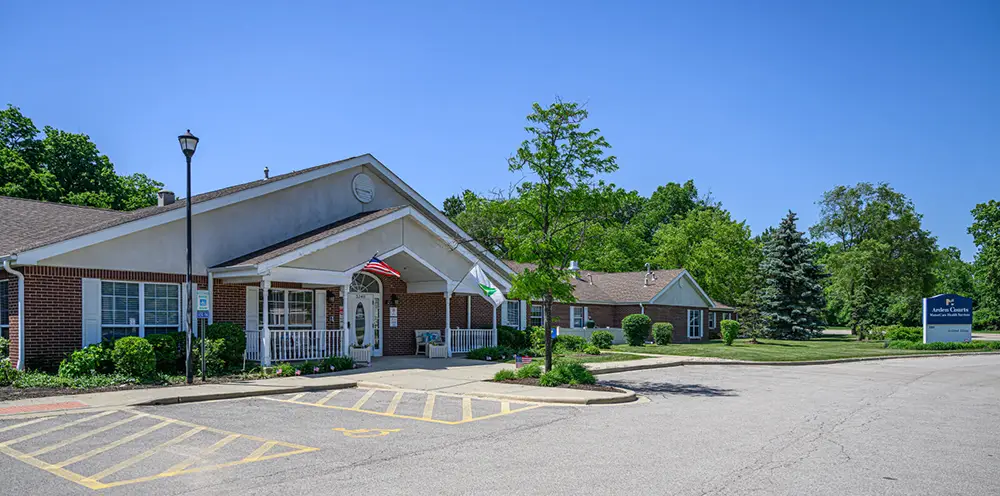
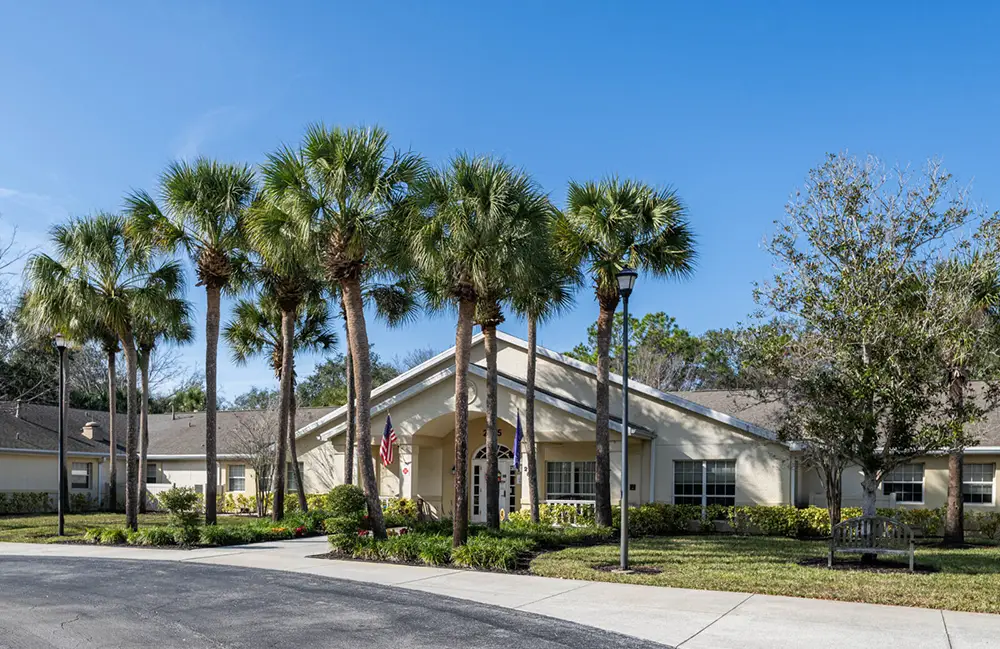
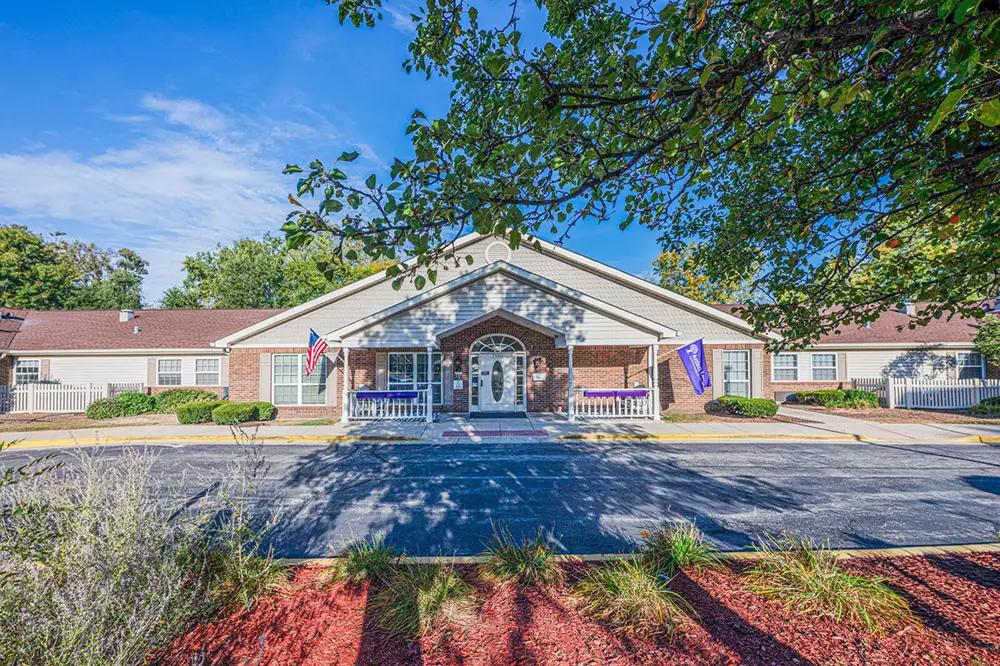
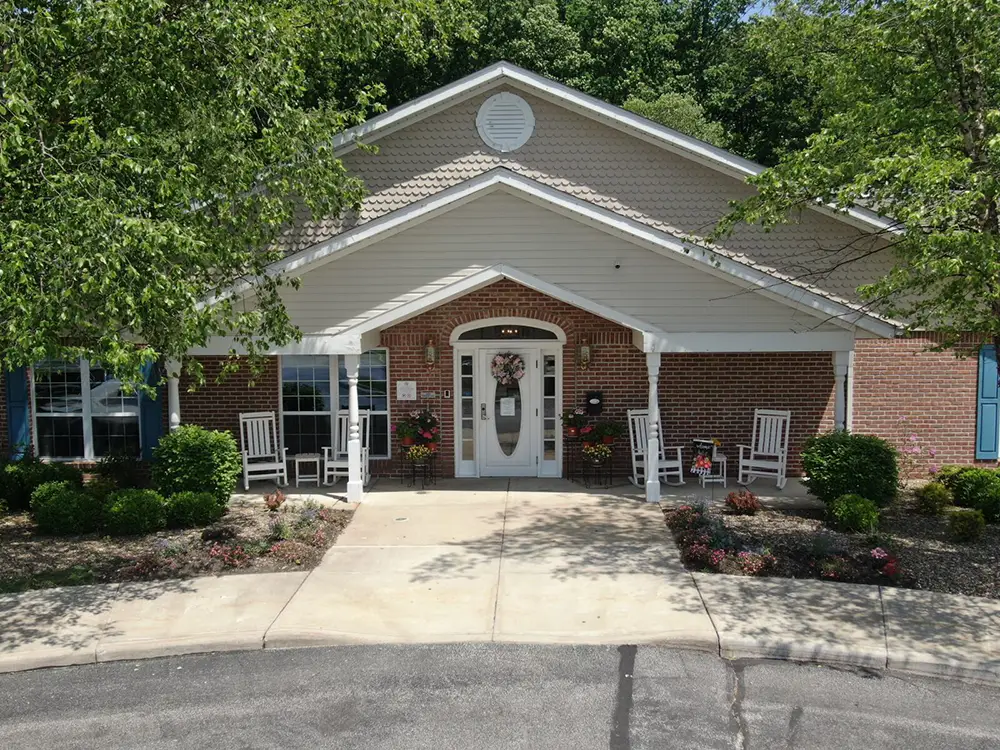
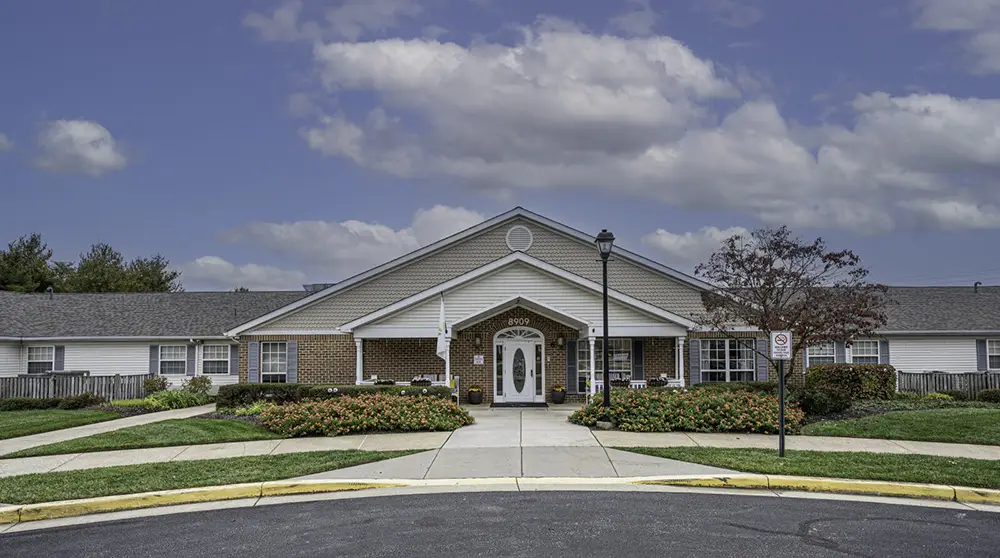
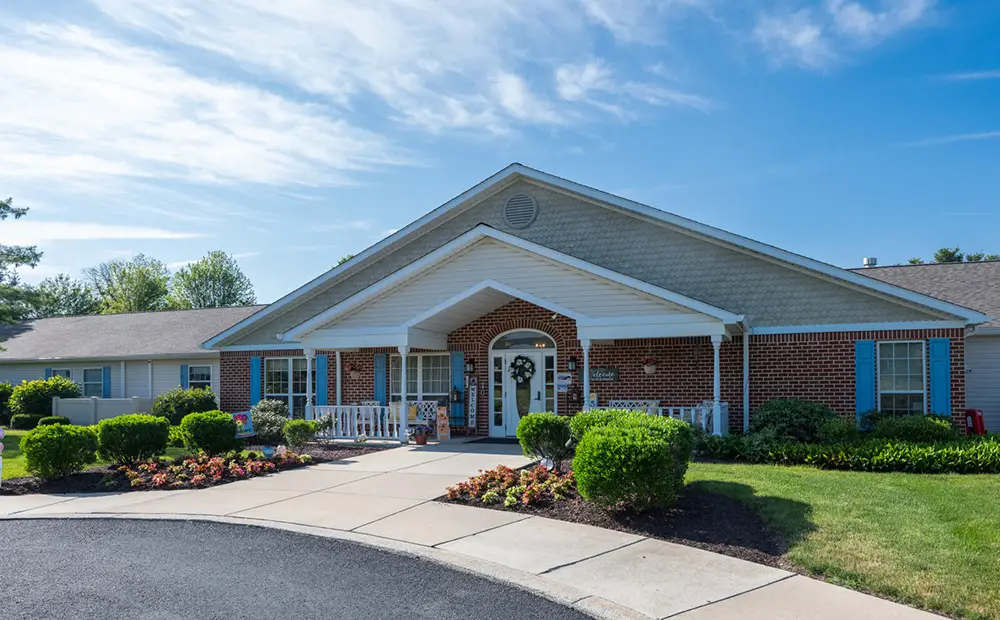
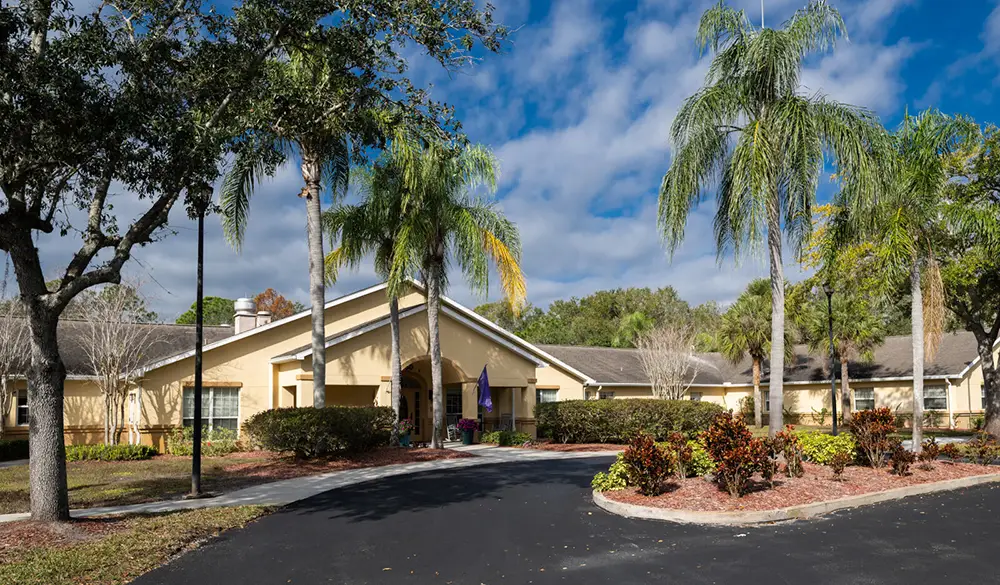
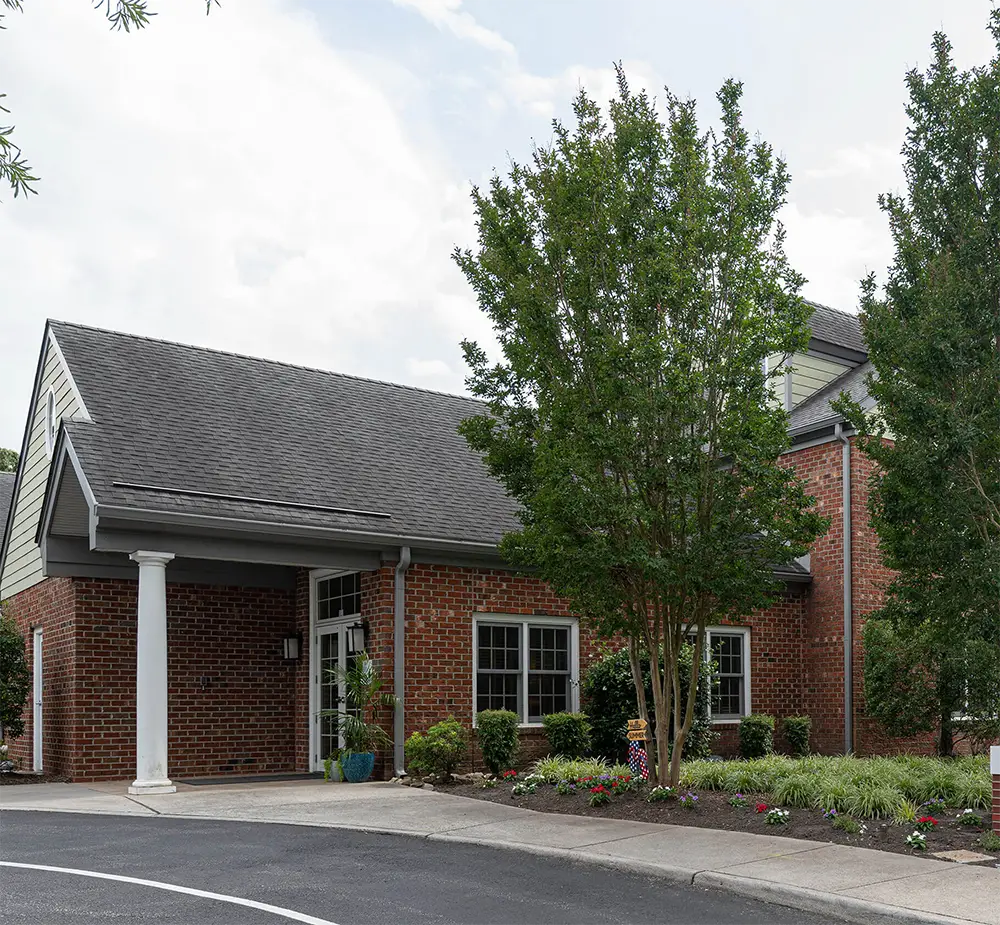
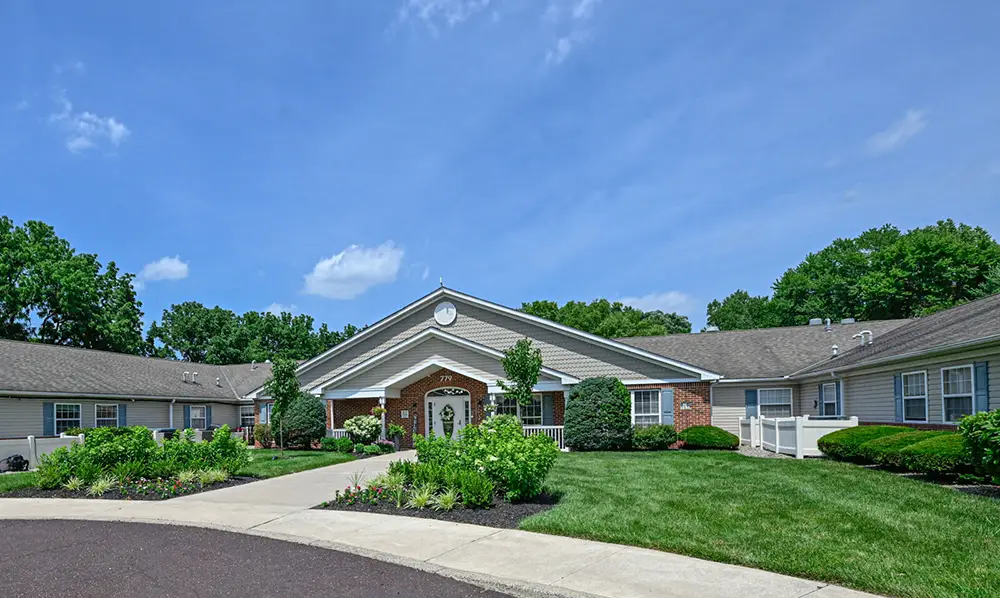
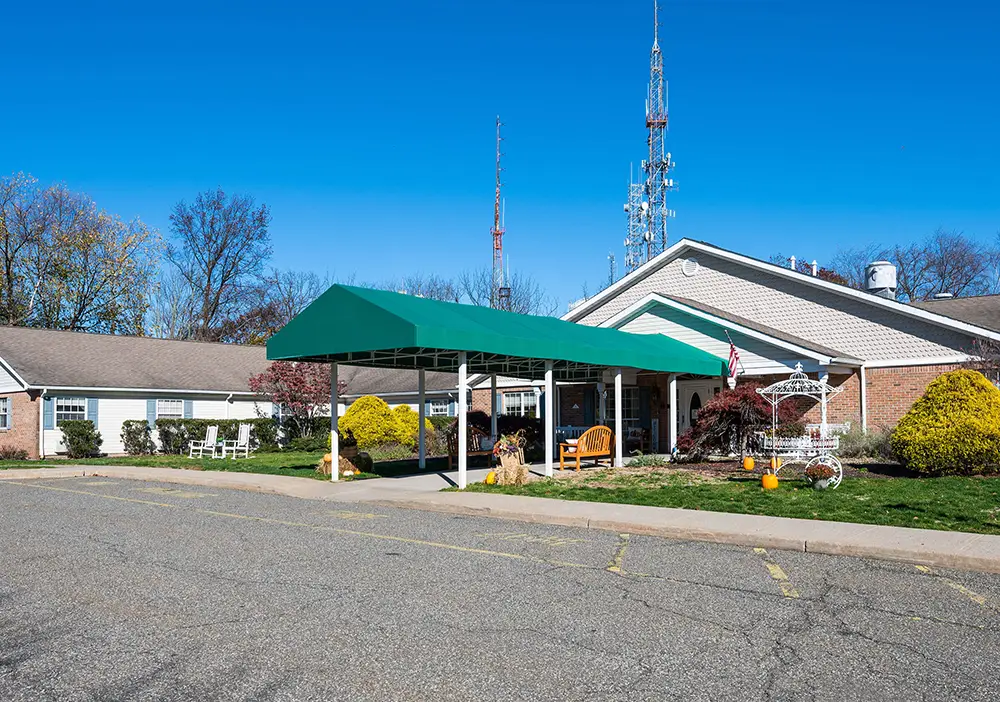
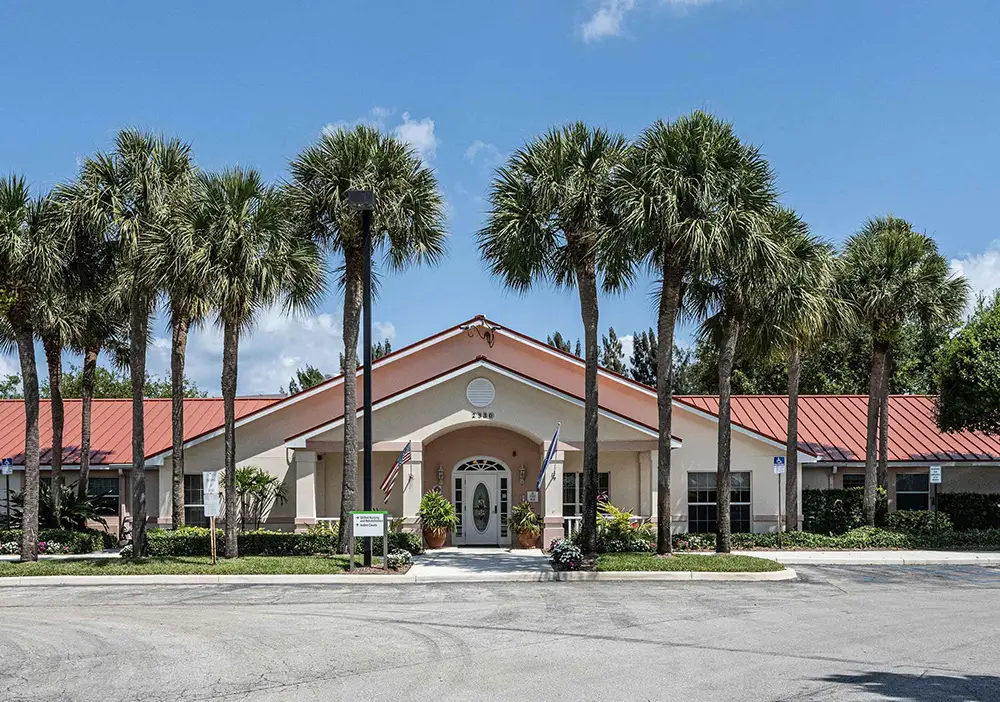
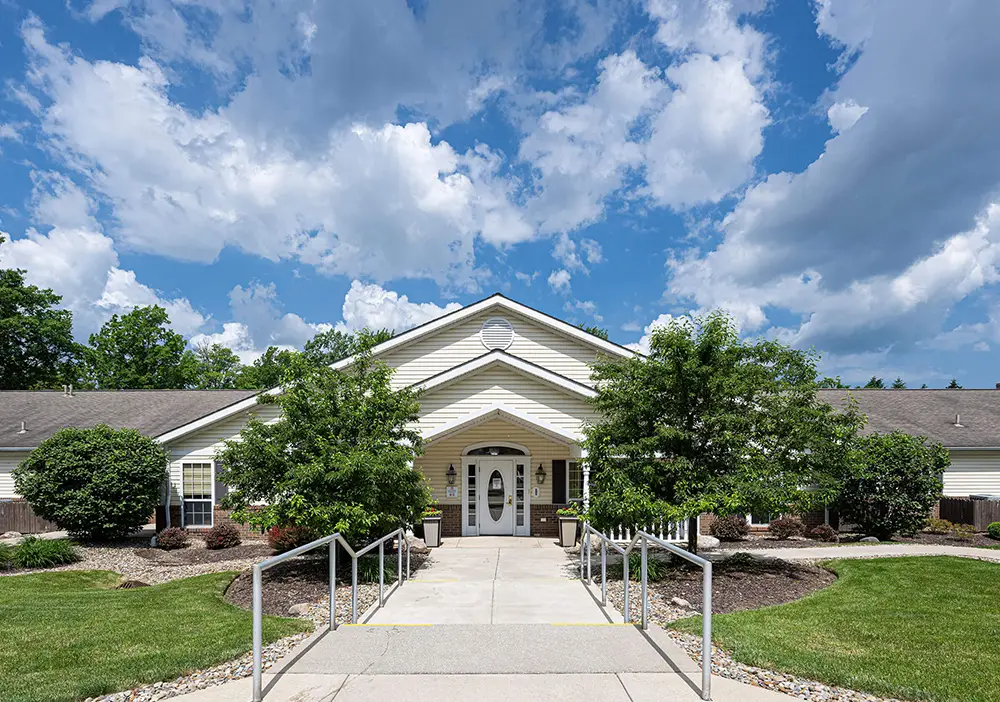
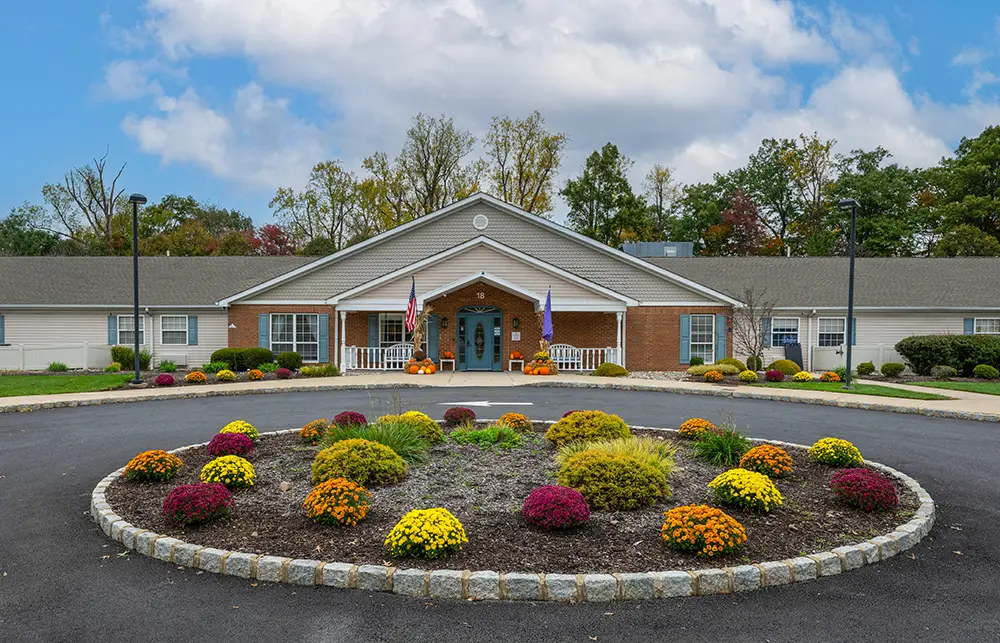
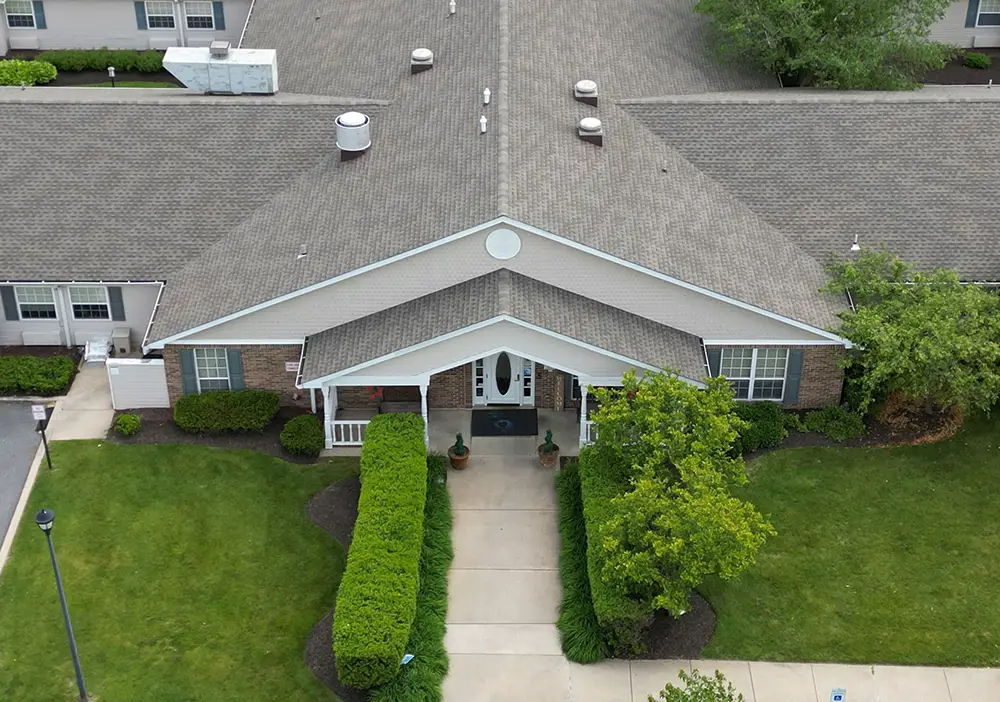
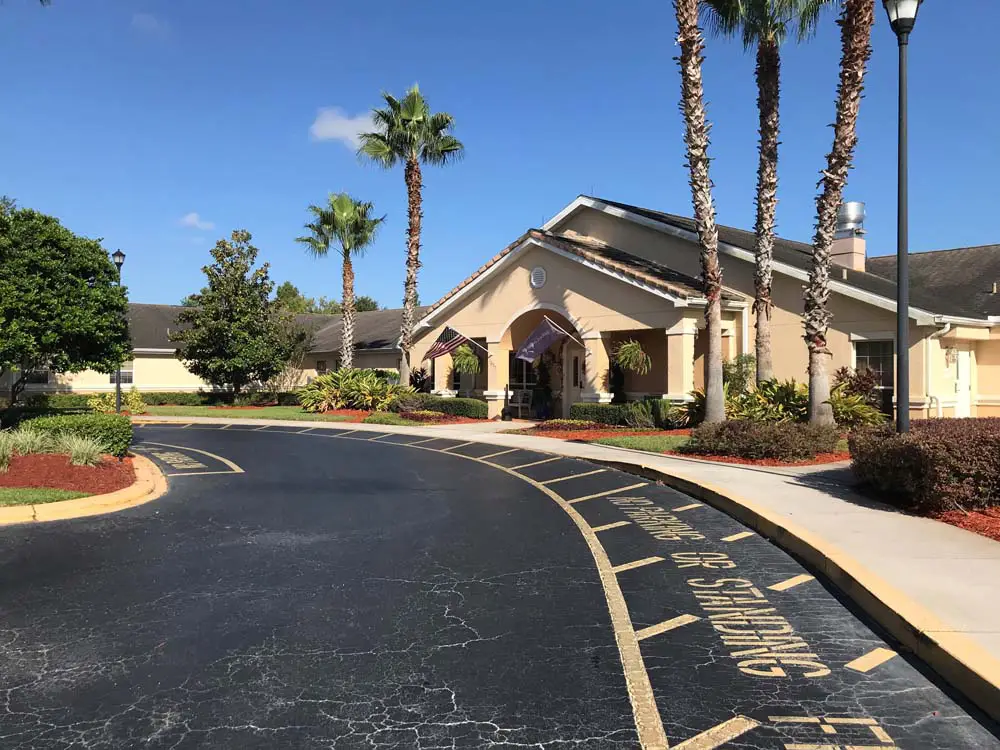
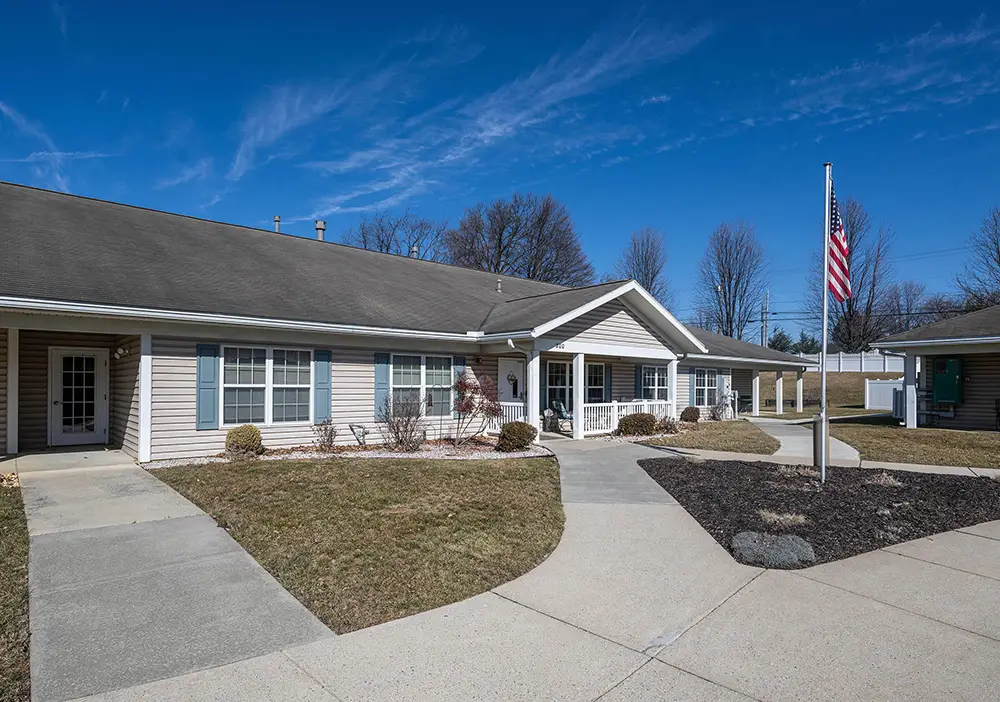
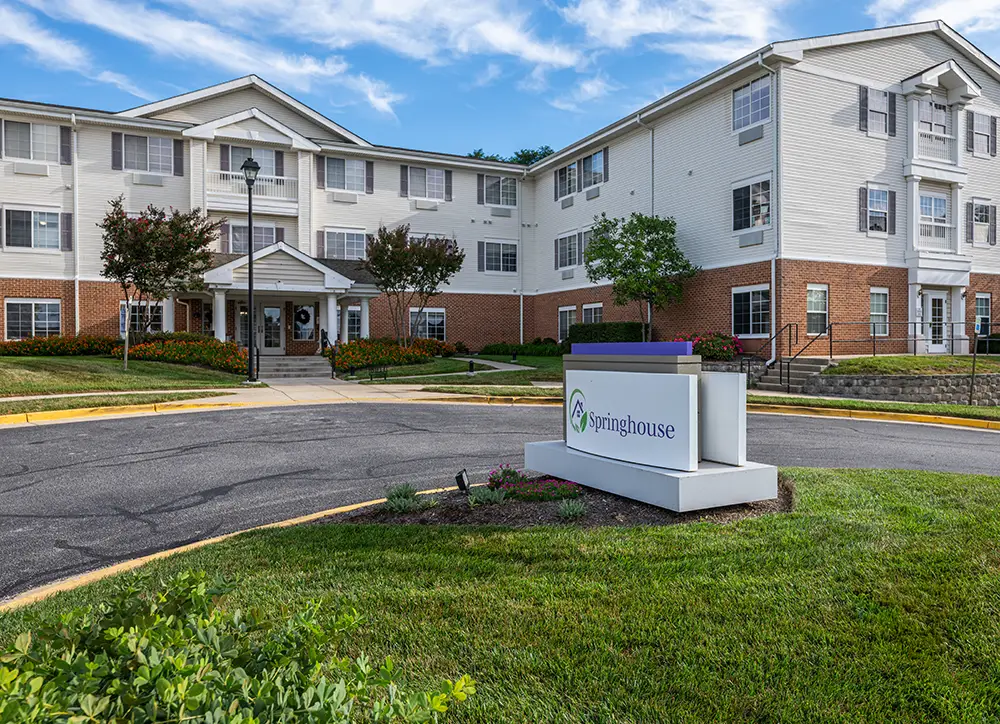
With Arden Courts communities located across multiple states, compassionate, specialized Memory Care may be closer than you think. Explore Memory Care, Alzheimer’s care, and dementia care communities near you and discover how our purpose-built environments support comfort, engagement, safety, and independence for those living with memory loss.
Search by ZIP code, city, or state to find an Arden Courts community near you.
Filter by
Next Steps: Talk With a Memory Care Team That Specializes in Memory Care
Choosing a Memory Care community is not only about finding support for today. It is about finding an environment designed to help your loved one continue experiencing familiarity and connection even as needs change over time.
At Arden Courts, our purpose-built Memory Care communities are intentionally designed around the dementia journey, with thoughtful spaces, specialized caregivers, meaningful engagement, and safe opportunities for independence each day.
If you’d like to keep this information on-hand as you begin exploring Memory Care options, download our Purpose-Built Memory Care Guide for a simple, family-friendly resource you can save, print, and share.